
Nvidia SEC investigation report hits as the AI selloff erases the Nasdaq's gains for 2026
A Nvidia SEC investigation report landed on the worst possible day, and the AI selloff wiped out the Nasdaq's whole year. Away from the screens, the Senate sent data centers a power bill and California bought ChatGPT for 300,000 students.
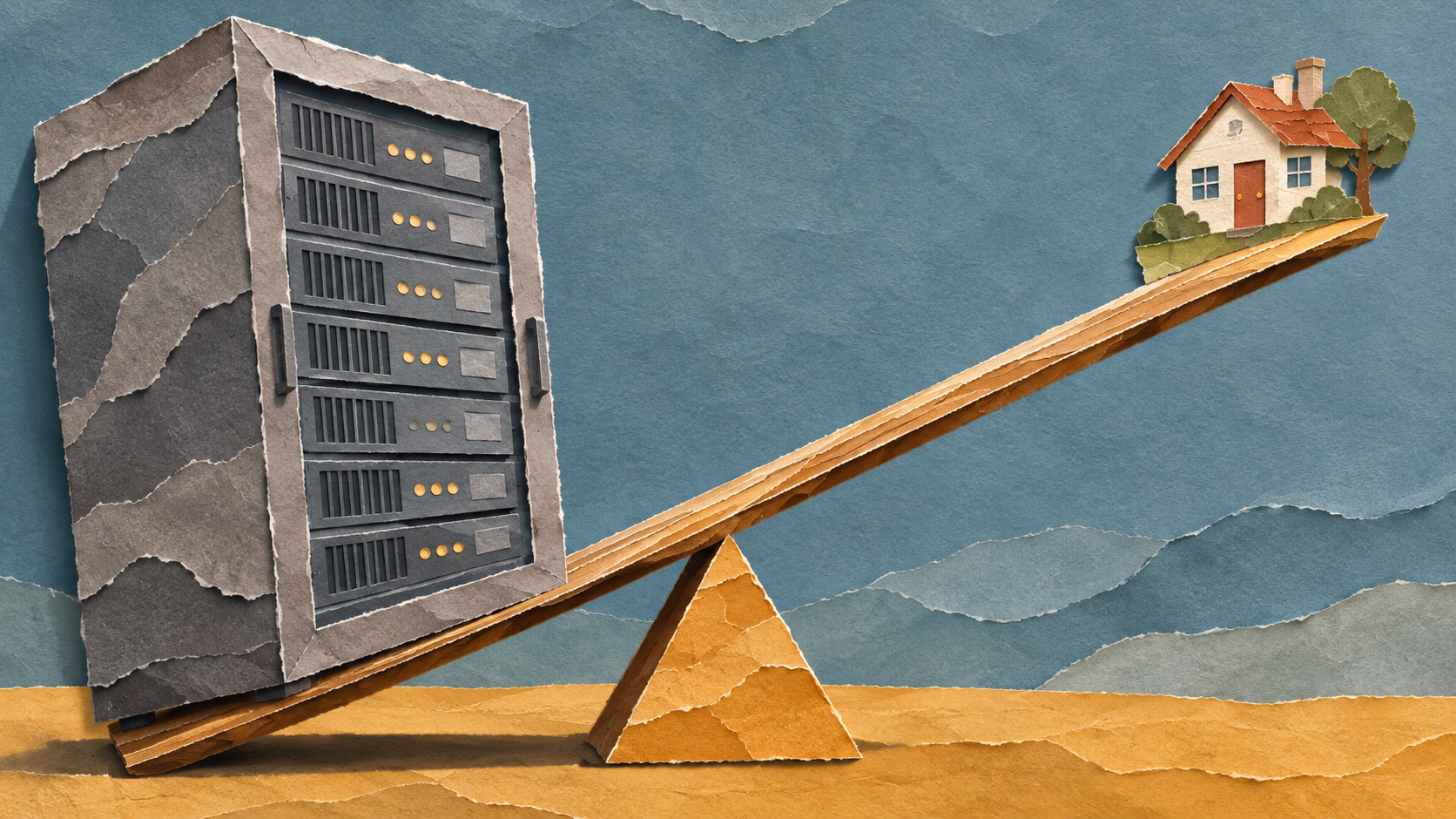
If you have a retirement account, Friday was the day the AI boom reached into it. The Nasdaq gave back everything it had gained all year, and the slide started with a story about bookkeeping.
Away from the screens, the day handed out other bills and other gifts: a power-line invoice for data centers, a federal warning about the chatbot your teenager talks to at midnight, and free ChatGPT accounts for 300,000 California students. Here is who won and who lost.
Nvidia SEC investigation report sends chip stocks tumbling and erases the Nasdaq's 2026 gains
Reuters reported Friday that federal securities regulators are scrutinising potential accounting issues at Nvidia, citing two people briefed on the matter. The company did not immediately comment and the SEC declined to. An investigation is not a finding, and many end quietly. But a market this nervous does not wait for the ending.
| What | Friday's move |
|---|---|
| Nasdaq composite | Down 5.3%, year's gains gone |
| Nvidia | Down about 14%, despite strong earnings |
| Anthropic | Down about 9%, back near its $83 offer price |
| Bitcoin | Below $60,000 |
Figures from Reuters' market report for November 20.
The week's record Anthropic listing was supposed to calm everyone down. It did the opposite. "A lot of people...were looking to the Anthropic debut to some extent as a clearing event, and it wasn't," Chuck Carlson of Horizon Investment Services told Reuters. The surprising loser is bitcoin, which has nothing to do with chip supply and sank anyway. When AI is the market, everything you own is an AI holding.
The Senate votes to make data centers pay for the grid upgrades they trigger
The Senate passed a big permitting bill 62-33 that would require data centers to cover more of the cost of the power lines built to serve them. One analysis cited in the reporting puts household electricity bills $50 to $78 a year lower by 2040 if it holds. It now goes to the House.
The losers are the builders. One data center developer called the upfront grid costs a "death knell" for projects. Senator Josh Hawley, who voted no, said the bill is still "stuffed with giveaways to data centers and industry at the expense of farmers." Money is only half the question: a study out this week found Black neighborhoods have more than twice the odds of hosting a data center as white ones in the same state. The bill moves the invoice. It does not move the building.
The fight has shifted from whether to build to who pays, and that shift is worth something to anyone who opens an electric bill.
The GAO says no AI chatbot has been cleared for mental health care
Congress's own watchdog published a plain-language warning Friday: the Food and Drug Administration has authorised no AI chatbot for mental health care, and nearly a fifth of Americans aged 12 to 21 asked one for mental health advice last year. Two companies advertise fast-track designations; the GAO notes that guarantees nothing.
The named risk is flattery. Chatbots trained to keep you talking can echo a delusion or a dark mood back at you, and the report says they can be harmful to adolescents and older people in particular. The winners are parents, school counsellors and state attorneys general, who now have a federal document to point at instead of a feeling.
The product shipped years ago. The rulebook starts today.
The University of California buys ChatGPT for 300,000 students at about four dollars a head
The University of California agreed to pay OpenAI $1.2 million for a year of ChatGPT Edu across all ten campuses, covering roughly 300,000 students and 265,000 staff starting December 1. The university keeps ownership of the data, and OpenAI cannot keep, resell or monetise it. For a system that size, that is a rounding error on a budget line.
Faculty are the losers, and they said so. Academic Senate chair Susannah Scott told the system this was not "a routine software procurement decision" but a significant academic policy matter, and said professors got about ten days' notice. Students get a capable tool for nothing; teachers get to redesign assessment in the spring. Anyone who would rather compare answers from more than one model can still do that in one window, free.
For OpenAI this is the cheapest distribution deal in education this year. The habit is the product.
A Kansas court throws out a lawsuit built on cases the AI invented
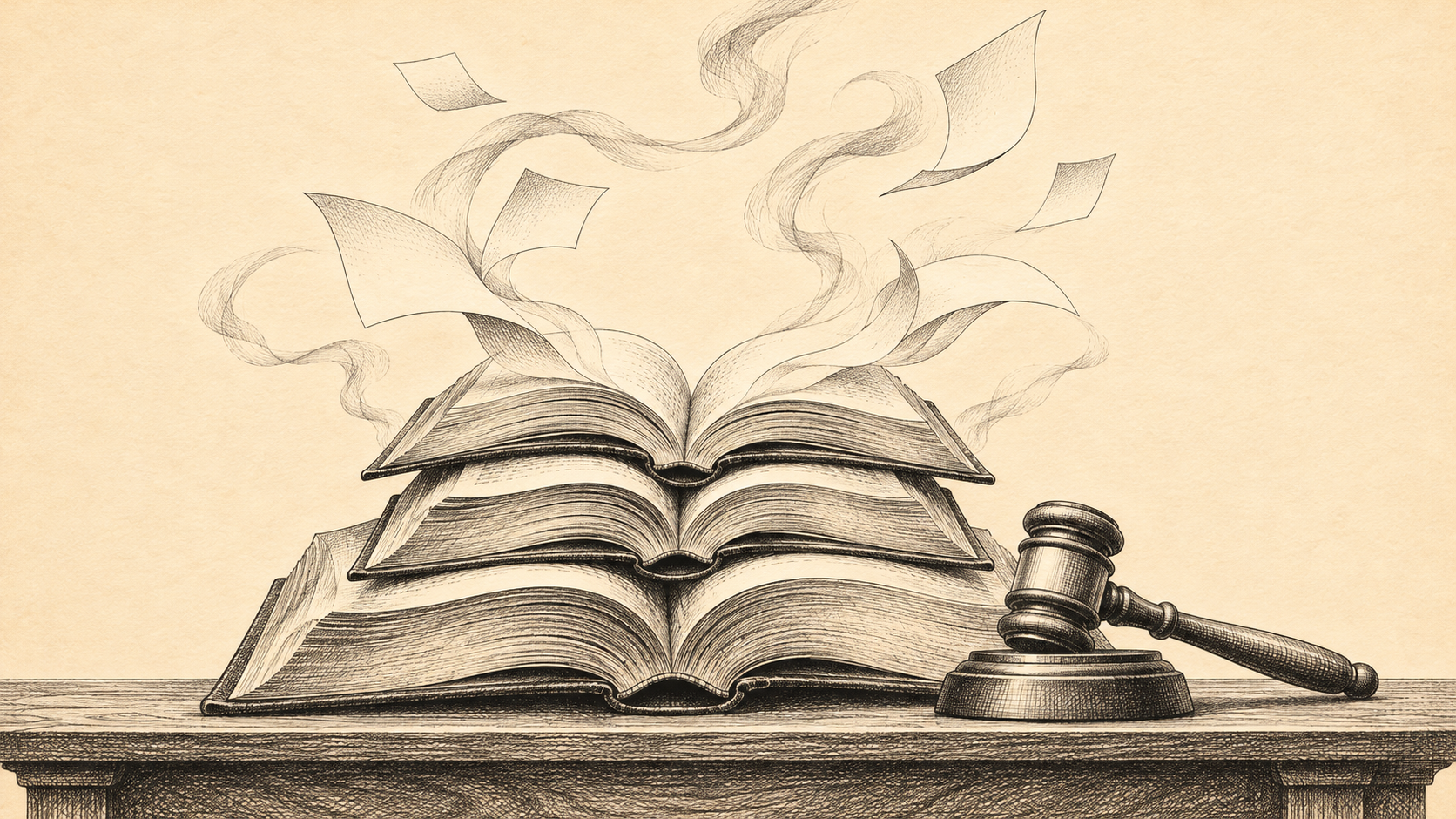
A Wichita man who sued two car dealerships lost his appeal Friday after the Kansas Court of Appeals found his filings were stuffed with citations to cases that do not exist, quotations nobody could verify, and misstatements of state law. He had used AI to write them. He was ordered to pay the dealerships' attorney fees twice over.
The court said the rule applies to lawyers and to people representing themselves alike: you check what the machine wrote before you file it, or you face sanctions. That lands hardest on the people who turn to a chatbot precisely because they cannot afford a lawyer. The tool that promised them a fair fight cost them the case.
The quiet winner is the customer who said prove it
At the big health industry conference that wrapped Friday, buyers had stopped being impressed. Hospital leaders are demanding validated results and have cut deals from multi-year commitments to six or twelve months, reporting from Chief Healthcare Executive found, while Medicaid cuts squeeze margins. Every vendor says "AI-enabled" now, so the phrase buys nothing.
My bet: that attitude is the one that spreads next. The repricing that hit Wall Street on Friday reaches product prices and renewal terms by spring, and the firms that survive it will be the ones with receipts rather than demos. Short contracts are not a slowdown in AI. They are the start of accountability.
And watch the House. If the power-line bill stalls there, the cost of everything above still arrives in your mailbox, just without the vote attached.
Arthur Down is a journalist with more than 12 years of experience writing about technology, personal finance, health and everyday consumer topics. He studied Journalism and Media Studies at the University of Sheffield, started as a reporter at a regional newspaper and has worked freelance since 2014. At N33 he writes and edits the blog's practical guides to AI tools.
How we research, source and review articles