NewFree
AI Tattoo Generator
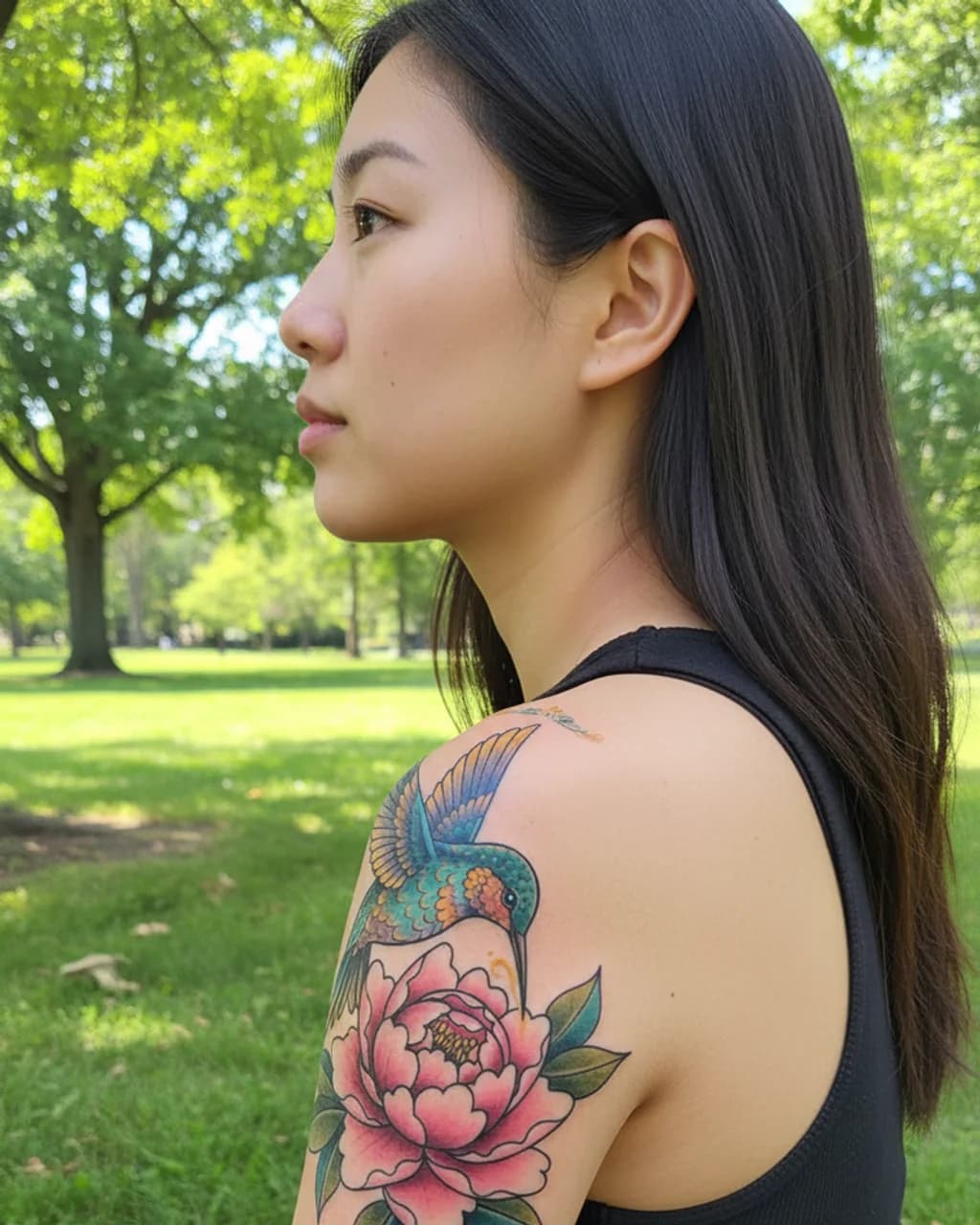
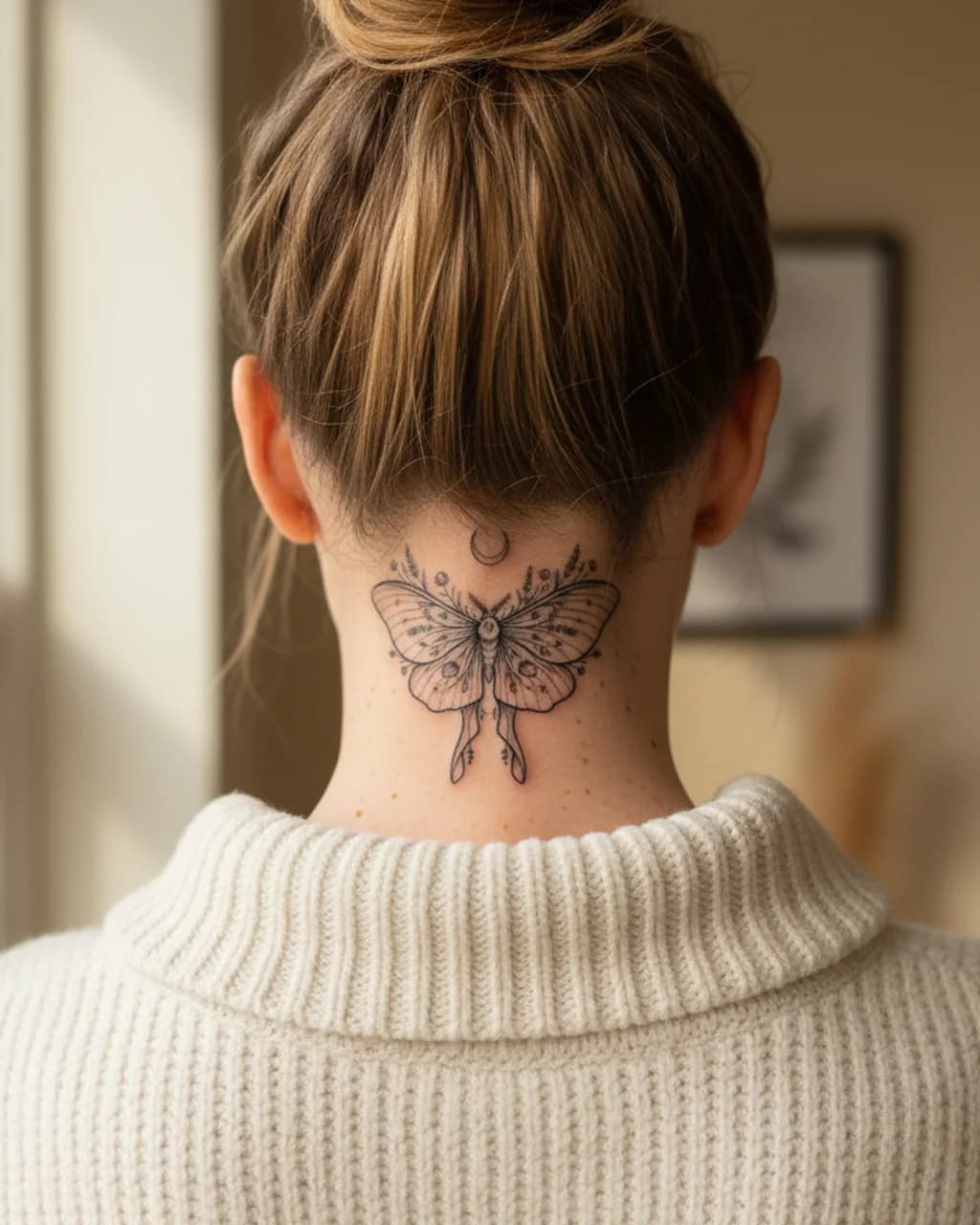
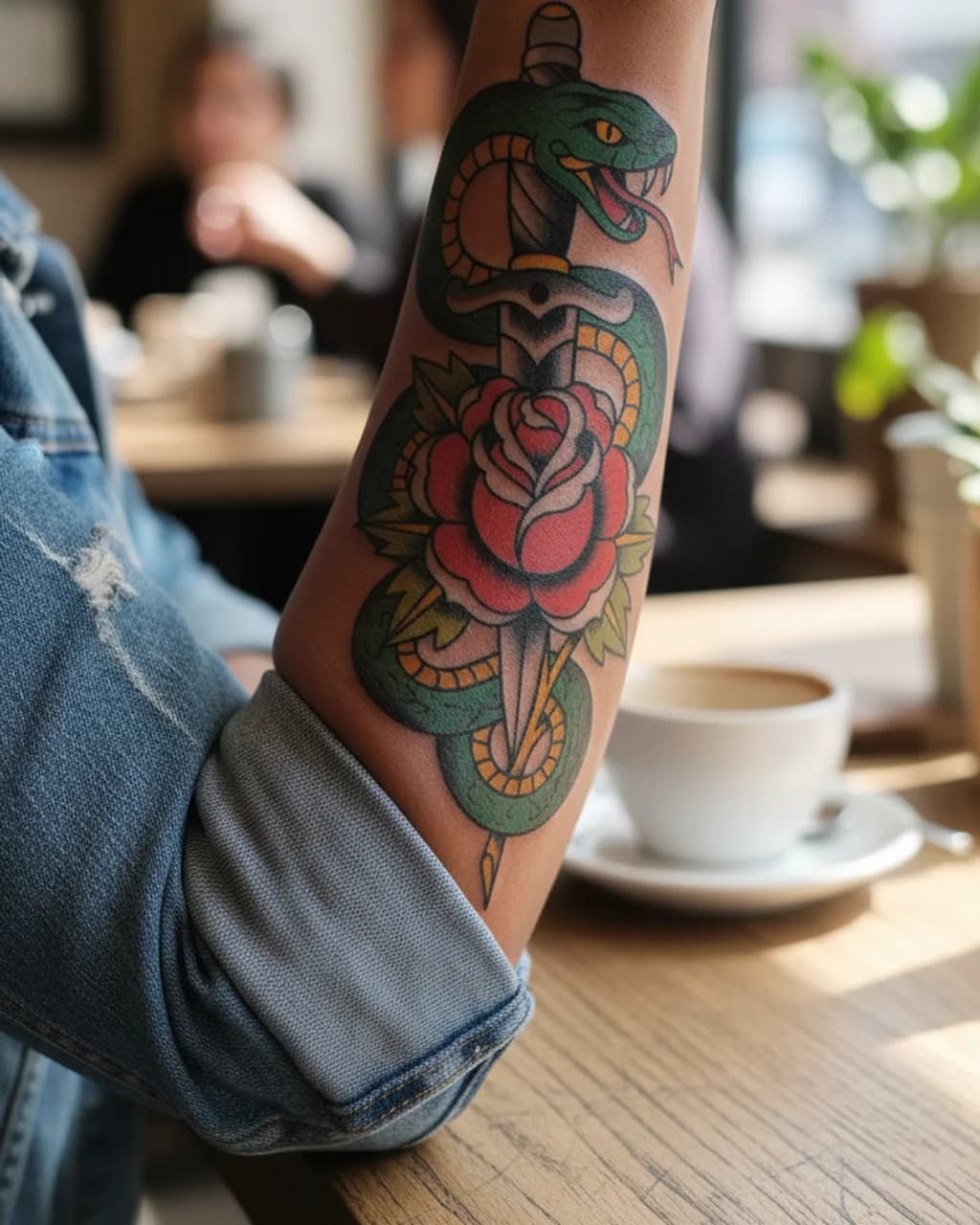
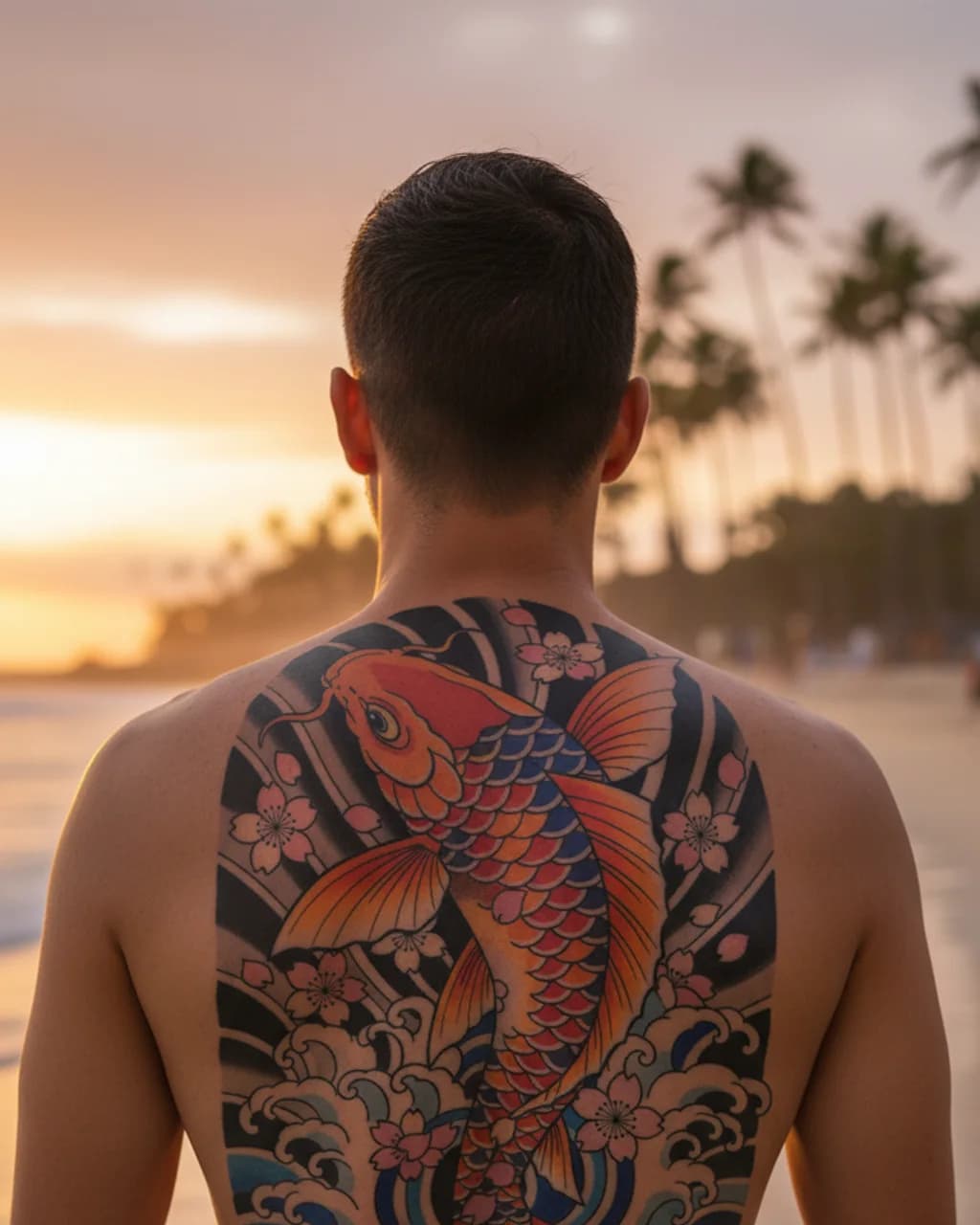
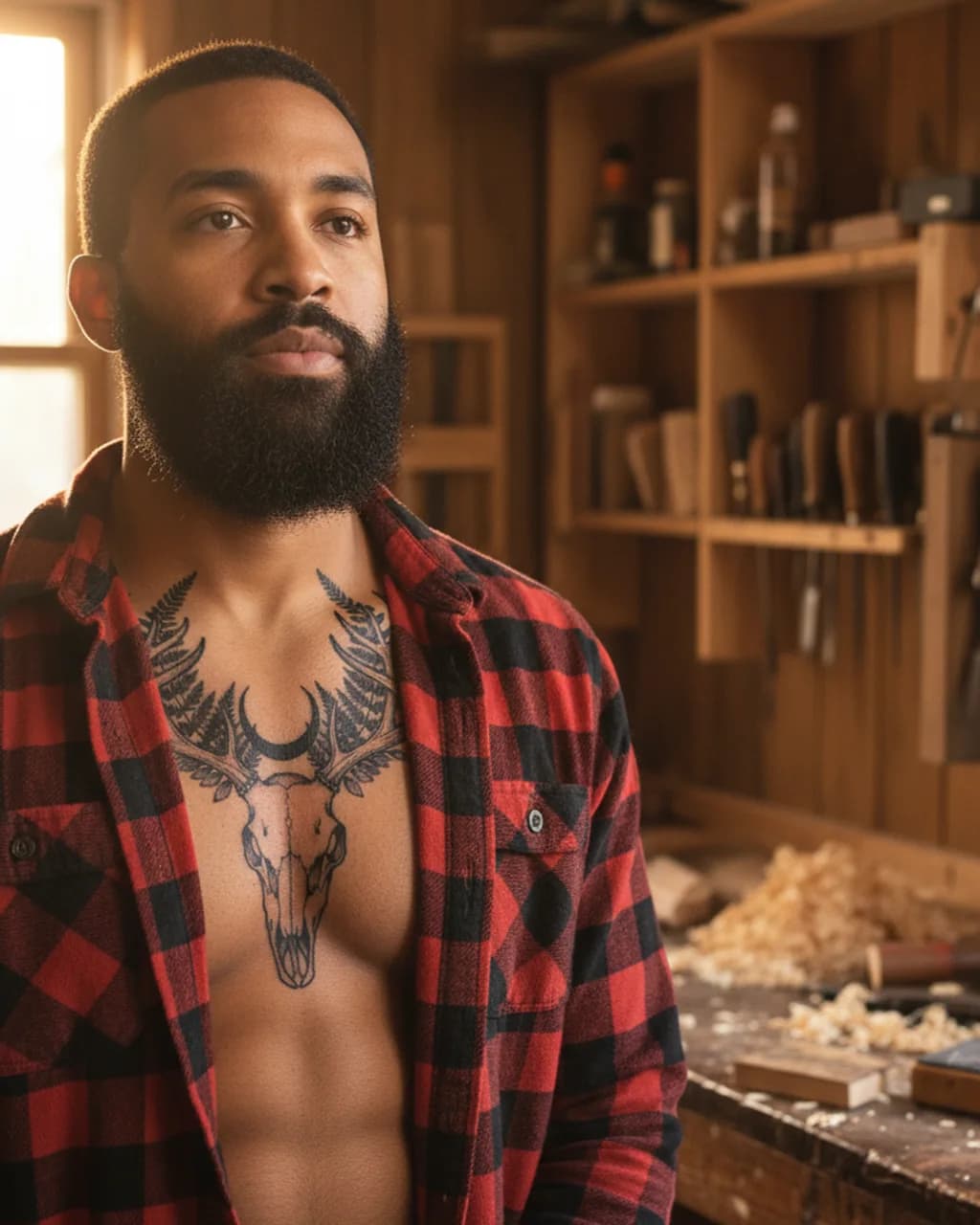
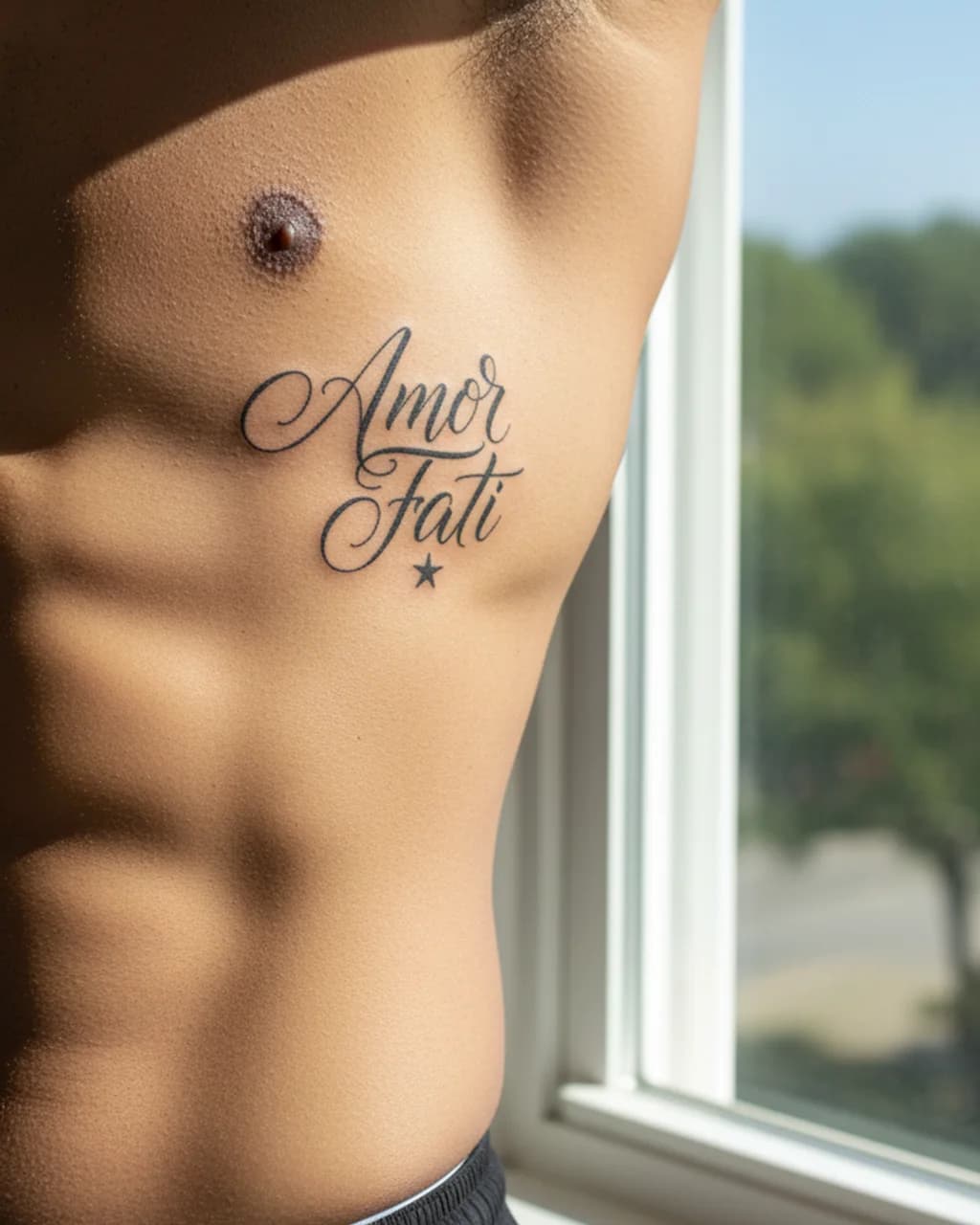
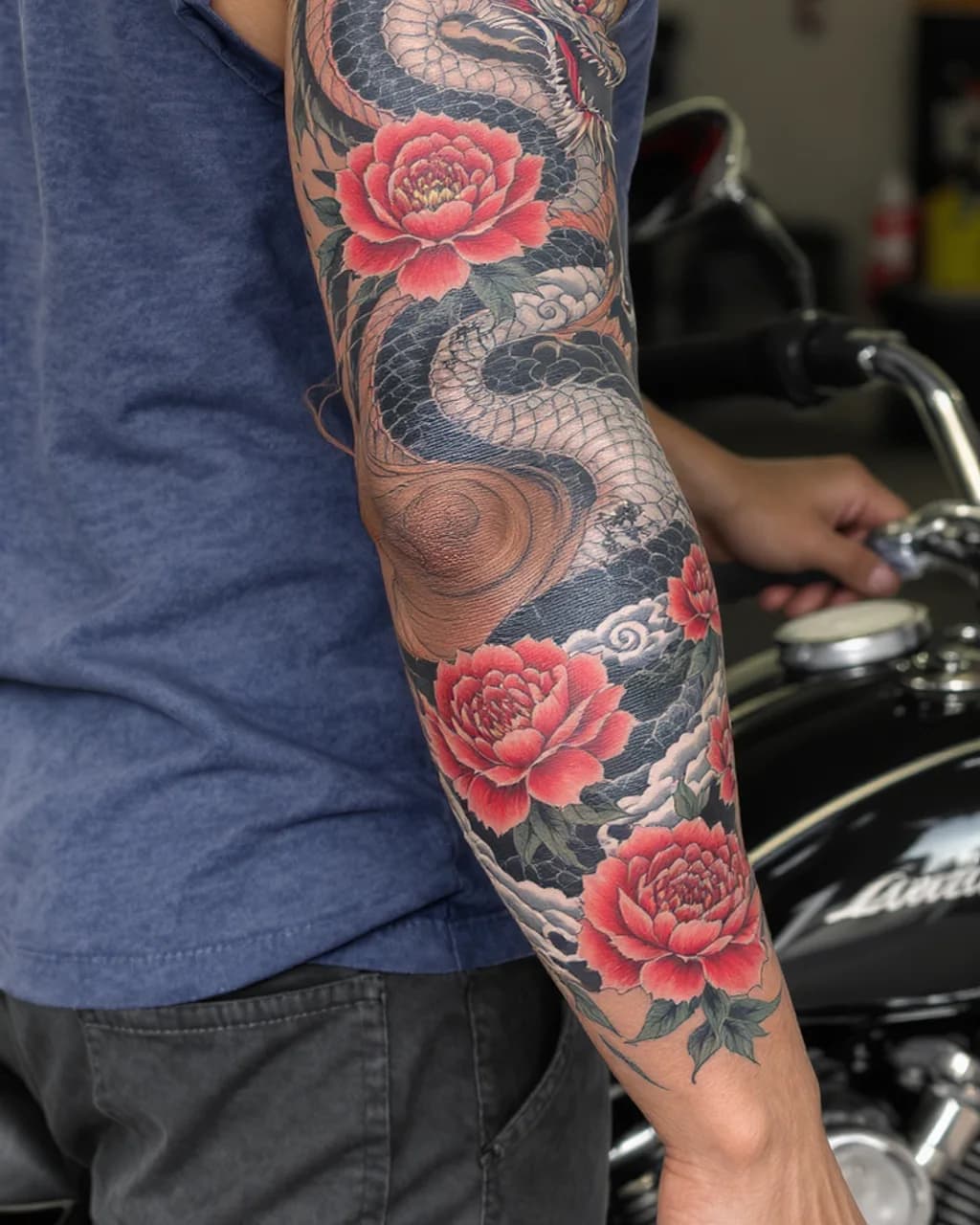
Describe a tattoo, get a design to take to your artist
Try it, AI Tattoo GeneratorFree AI tools in one account: Nano Banana images, Seedance video and one-click AI generators
N33 AI is a free AI chat with Claude, ChatGPT and Grok. The same account is a free AI image generator with Nano Banana and Flux Kontext and a free AI video generator with Seedance 2.0 and Runway. The Studio adds one-click AI generators, like the AI character generator and the future baby generator. Talking avatars and dubbing into 13 languages come with it too.
The newest tools in N33 AI, one photo or one line away.
Describe a tattoo, get a design to take to your artist
Try it, AI Tattoo GeneratorChat, images and video on the fast lane. Chat stays free.
Every model, on the fast lane.
$20.83/ month
Every model unlocked
What you get
One composer for every mode. Describe or attach, and the result comes back in the thread.


Script
Hi, I am your presenter. Paste any text and I will read it on camera.
Pick a model, describe what you want or attach a photo, and the result lands right in your thread and in Generations.
Turn an idea, a photo or a reference into a scene that moves, up to 15 seconds long.
Give Gen-4 Turbo one of your photos and watch it come alive.
Cinematic motion from a line or one picture, with N33 Pro.
Describe it and see four versions at once, or give your own photo a whole new look.
The same composer for every mode. Nothing to set up, nothing to learn twice.
A picture, a clip, an avatar or a translation. Or just a question for the free chat. Pick the mode from the composer's menu.
Make the waves move and the light shift to golden hour
Type a sentence, paste a script, or drop in a picture or a video. The composer already knows what the mode needs.
Your clip is ready
5 s, saved to Generations
The result lands in the same chat and in your library a moment later, even if you closed the tab. Reuse it, animate it, translate it.
Describe what you imagine, or attach a photo of your own, and the results arrive right in your thread: four from Nano Banana, two from Flux Kontext Max. Want a real-looking photograph instead of an illustration? It works as a free AI photo generator too. Change a word, run it again, keep your favorite.
Generate an imageA pug wrapped in a blanket, spring blossoms, strawberries
Describe a scene from scratch, start Seedance from a photo, or give it a reference image, and get a clip of 4 to 15 seconds on Seedance 2.0. Runway Gen-4 Turbo brings your own stills to life. Close the tab if you like: the clip will be waiting in the chat a few minutes later.
Make a videoChoose a face from the catalogue, paste your words, pick a voice, and your presenter is ready. The video runs exactly as long as your script.
Open avatarsScript
Welcome to the product tour. In the next two minutes I will show you what is new.Attach a clip, choose the language, decide on subtitles and lip sync. Your dubbed version lands right next to the original, ready for a new audience.
Translate a videoThe free chat models never ask for energy. The bigger Claude, GPT and Grok models, pictures in the chat and the Studio run on it. N33 Pro needs none.
N33 AI's own currency for the top models and the Studio. A new account starts with energy, and what you earn stays on your balance.
Claim free energy every day, get more for each friend who signs up through your link, for a post about N33 AI on each network, and for a link to N33 AI under your video. Sharing what you make earns more.
Picture batches, pictures in the chat, Seedance and Runway videos. The same balance opens the bigger Claude, GPT and Grok models, avatars and dubbing. A picture uses a little, a video more. Veo 3.1, GPT Image 2 and the advanced chat models come with Pro.
Accounts, models, limits and privacy.
$20.83/ month