
Senate permitting bill advances, and data centers would pay for their own power lines
The Senate permitting bill would make data centers pay for the grid they need, trimming the average household's power bill. It also shortens the time towns and tribes get to object. Both cases, then mine.
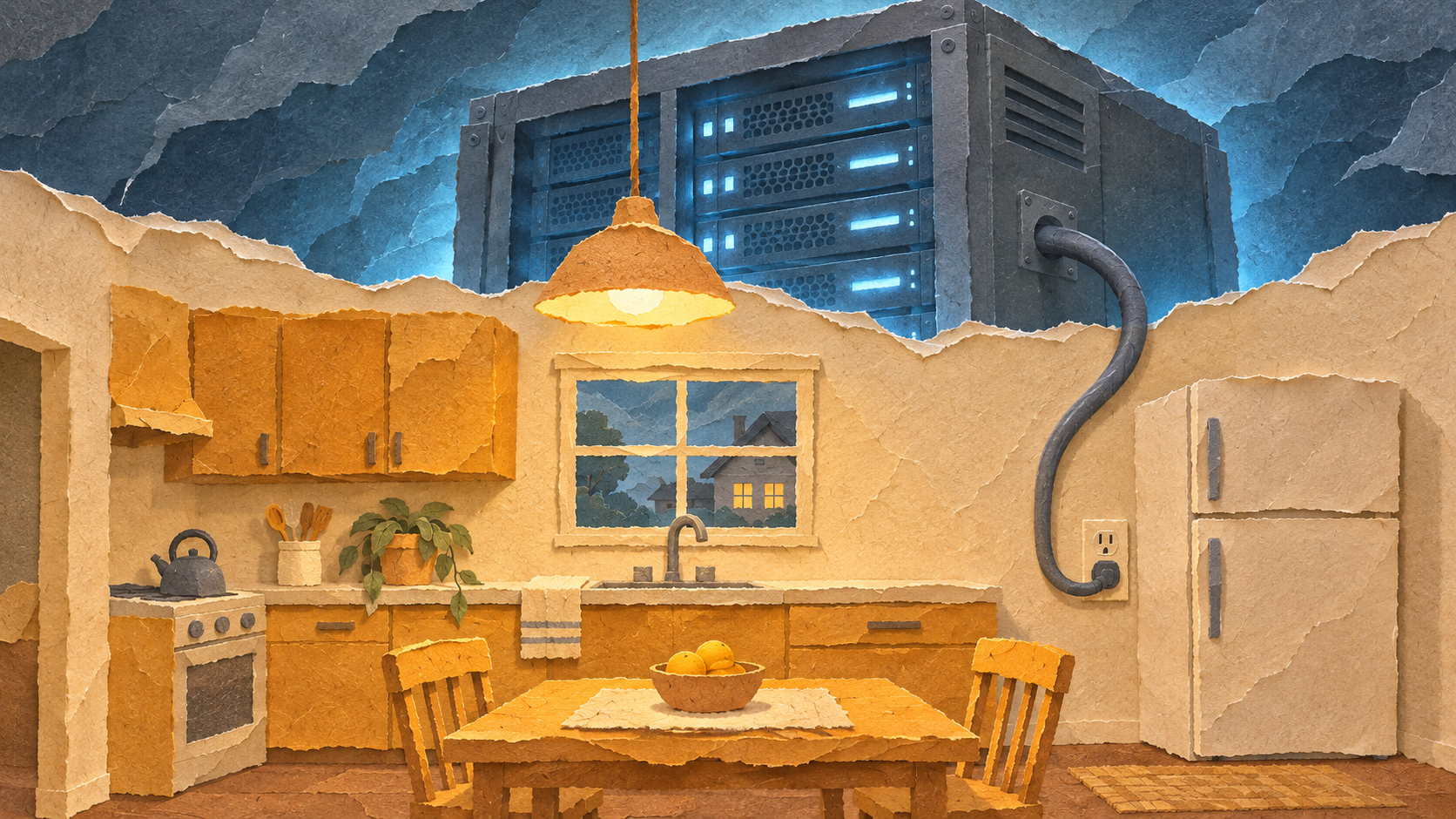
The Senate spent Monday evening on something that ends up in your electric bill. It voted to open debate on a bill that would make the country's biggest computer warehouses pay for the power lines built to serve them, instead of spreading that cost across every household on the grid. Supporters say that is worth about $60 a year to a typical home.
That is the easy part. The same bill trims the reviews, the lawsuits and the tribal consultations that stand between a project and a bulldozer. Here are both cases, built on today's reporting. Then mine.
Making data centers pay for their own power lines is the best offer ratepayers have had
The vote was 73-25 to take up the Bipartisan American Affordability and Jobs Act, which President Trump has endorsed. Its central demand is blunt: AI companies and data center developers must fund the power supply and grid upgrades they need. Analysts working for the bill's backers put the extra cost to data centers at roughly $35 billion over a decade, with household bills $50 to $78 lower by 2040.
State utility commissions have been losing this argument one hearing at a time, each one alone against a company with better lawyers. A federal rule ends that. The bill also creates an Energy Department program to help state, local and tribal governments work out what a proposed data center would do to their electricity, water and local economy before anyone signs. That is exactly the information voters said last week they never got.
For once, the people building the machines would pay for the wires.
The same bill shortens the public's chance to say no
To move projects faster, the bill rewrites four of the country's bedrock environmental laws, including the Clean Water Act, the Endangered Species Act and the National Historic Preservation Act. That last one is why tribes are fighting it: the changes would let federal agencies skip consultation over sacred and burial sites, narrow what counts as an impact, and limit who can sue.
Mark Macarro, president of the National Congress of American Indians, says the changes "violate treaty and trust obligations." Policy analyst Jodi Archambault called it "a very dangerous bill" that "locks everybody into place." Abby Tinsley of the Wilderness Society warned it would lock in drilling, mining and AI data centers at once. The Natural Resources Defense Council came out against it.
A discount on your bill, bought with somebody else's veto.
Anthropic circulated a $69 billion IPO plan, then told banks the numbers were wrong
Late Monday, the company behind Claude sent underwriters a filing showing shares priced at $70 to $80 that would raise as much as $69.3 billion, which would make it the largest stock listing ever. A second email followed: the pricing details were inaccurate, an updated filing to come. No explanation of what was wrong. The roadshow was due to start Tuesday.
The detail worth keeping: about $26 billion of the deal is already spoken for by Google, Microsoft, Nvidia and four chip and foundry companies. They are Anthropic's suppliers and partners, buying its stock at the offer price.
When a company's customers, vendors and shareholders are the same seven firms, the price is a conversation, not a verdict.
About one in five US workers replaced by AI say their employer asked them back
A survey by the assessment firm SHL found roughly one in five American workers had been replaced by automation and then invited to return. Half of them asked for a significant raise before saying yes; many also wanted job security in writing and to be told where AI was being used in their work. Klarna brought human agents back for complicated cases. Ford promoted hundreds of experienced engineers after automated quality checks fell short.
The same day, October payrolls came in at 165,000, far above forecasts, with technical consultants posting their biggest monthly gain in nearly two years as firms hire help installing the software. Mark Zandi of Moody's Analytics put it plainly: "AI is adding to job growth, not subtracting from it."
The jobs AI destroys and the jobs it creates are turning up in the same building, sometimes at the same desk.
Disney named Adobe its official AI partner and will train models on its own characters
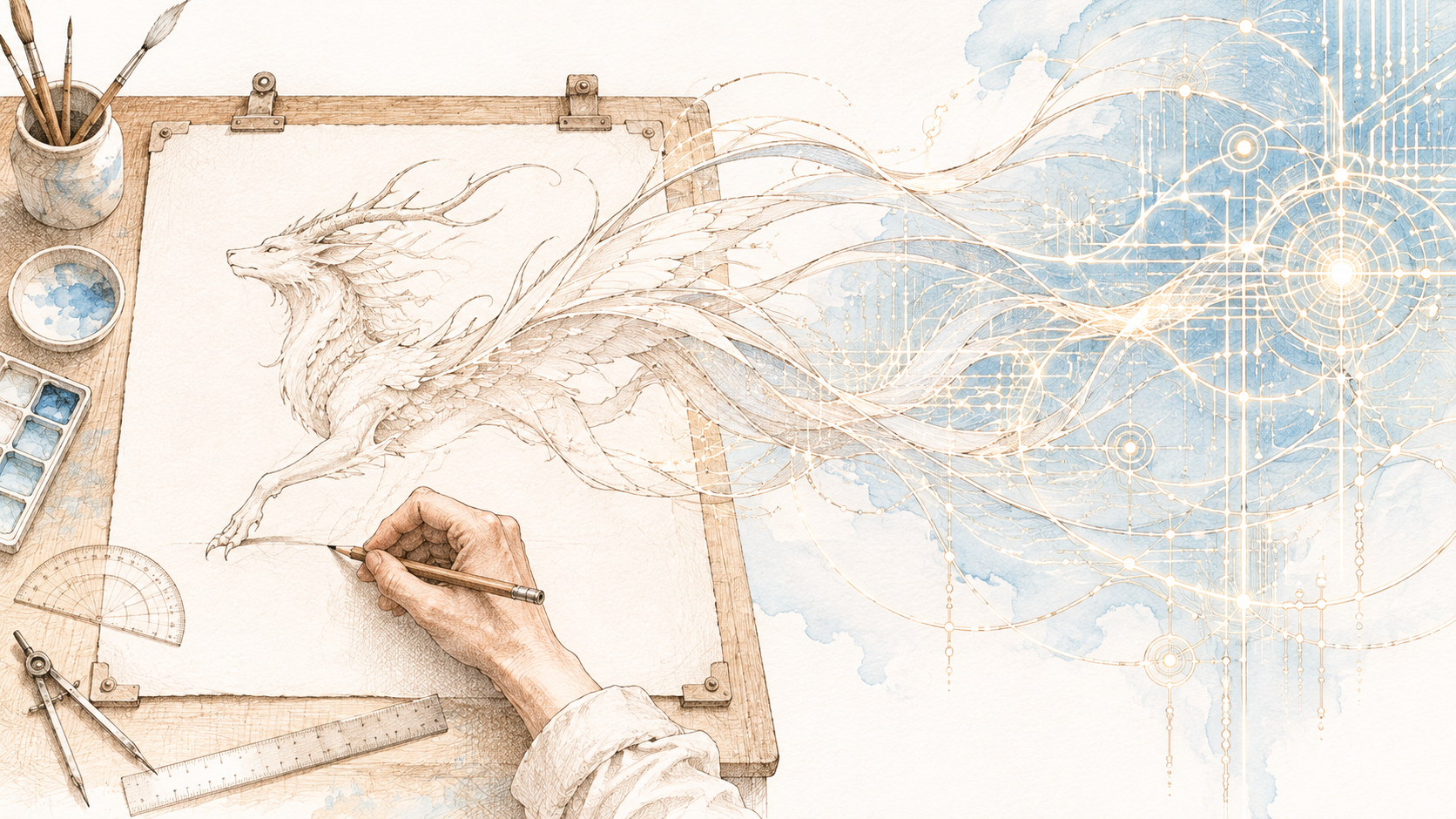
At Adobe's conference in Miami Beach, Disney announced a multi-year alliance making Adobe its official AI innovation partner. Disney will build private models trained on its own characters, worlds and visual styles, for the film studio, the theme parks, the cruise line and ESPN. Imagineering is already using a tool for turning a rough sketch into finished concept art.
Disney spent two years suing AI companies for using its characters without permission, and quietly ended a licensing experiment with OpenAI's video tool. Now it is building the machine itself, on ground it owns. The announcement calls the models artist-led. It does not say how the artists whose drawings make up that catalog are credited or paid when their work trains one.
The legal question is settled. The residuals question has not even been asked.
The cost rule survives; the right to object is what gets traded away
My call: the Senate passes this bill this week, and the House is where it gets ugly, because the incoming speaker opposes the Senate version. Whatever emerges, the part making data centers pay for their own grid will survive, because utilities, unions and both parties want it. The shortened reviews are what communities will be litigating through 2027.
Notice the timing, though. The saving on your bill is dated 2040. The substation goes up next year. That gap is the whole deal: you get paid later, you lose the ability to argue now.
And nothing here says what the electricity is made of. In Antalya, where the UN climate talks opened Monday, Turkey's pitch is a voluntary pledge to electrify more of the world economy, with no requirement that the new power be clean. Washington decided today who pays for AI's appetite. Nobody has decided what feeds it.
Arthur Down is a journalist with more than 12 years of experience writing about technology, personal finance, health and everyday consumer topics. He studied Journalism and Media Studies at the University of Sheffield, started as a reporter at a regional newspaper and has worked freelance since 2014. At N33 he writes and edits the blog's practical guides to AI tools.
How we research, source and review articles