
Nvidia's Chinese spy investigation into Jensen Huang is today's signal, not its scandal
Nvidia's Chinese spy investigation into its own chief executive got the clicks today. Three quieter stories, from hot water in a Danish town to a bill filed in Manila, tell you far more about where this is going.

Lasse Bo Madsen runs technical services at the hospital in Sonderborg, a Danish town of 75,000 near the German border. His winter is about heat: where it comes from, what it costs, who pays. He is installing a system that captures heat nobody used to want, and he told Al Jazeera today that the project will pay for itself inside two years.
Meanwhile, in Virginia and Texas and Ohio, we are building the largest heat machines in human history and blowing almost all of that warmth into the sky. Four things happened today. Three of them matter more than they look. One was everywhere and matters less than any of them.
Danish towns are heating homes and hospitals with the heat American data centers throw away
Al Jazeera reported today on what Denmark and the Netherlands do with the exhaust from AI computing. In Odense, a Meta data center pushes roughly 100 gigawatt hours a year into the town's heating pipes, enough for nearly 7,000 homes. A university supercomputer in southern Denmark, cooled by liquid rather than fans, recovers all of its waste heat.
The scale is not small. The world's data centers already use about one and a half percent of global electricity, a share on track to double by 2030. America hosts about 4,000 of them and they take roughly five percent of the country's power. Nearly all of the heat they make goes straight into the air.
Here is why this is a signal and not a nice Scandinavian story. Every American fight over a data center right now is about what the neighbors get: higher bills, drained aquifers, a humming box behind a fence. Heat is the one byproduct with resale value. Oxford's Jan Rosenow puts the fix plainly: "We should be building data centres where their heat can be used."
We don't, because American towns mostly lack the pipes, and because nobody has made the companies care. That will change the first time a city council offers a permit on condition the heat comes back. Heat is one cost of this buildout. The other one is somebody's job.
A Philippine senator filed a bill forcing companies to pay double severance when AI takes the job
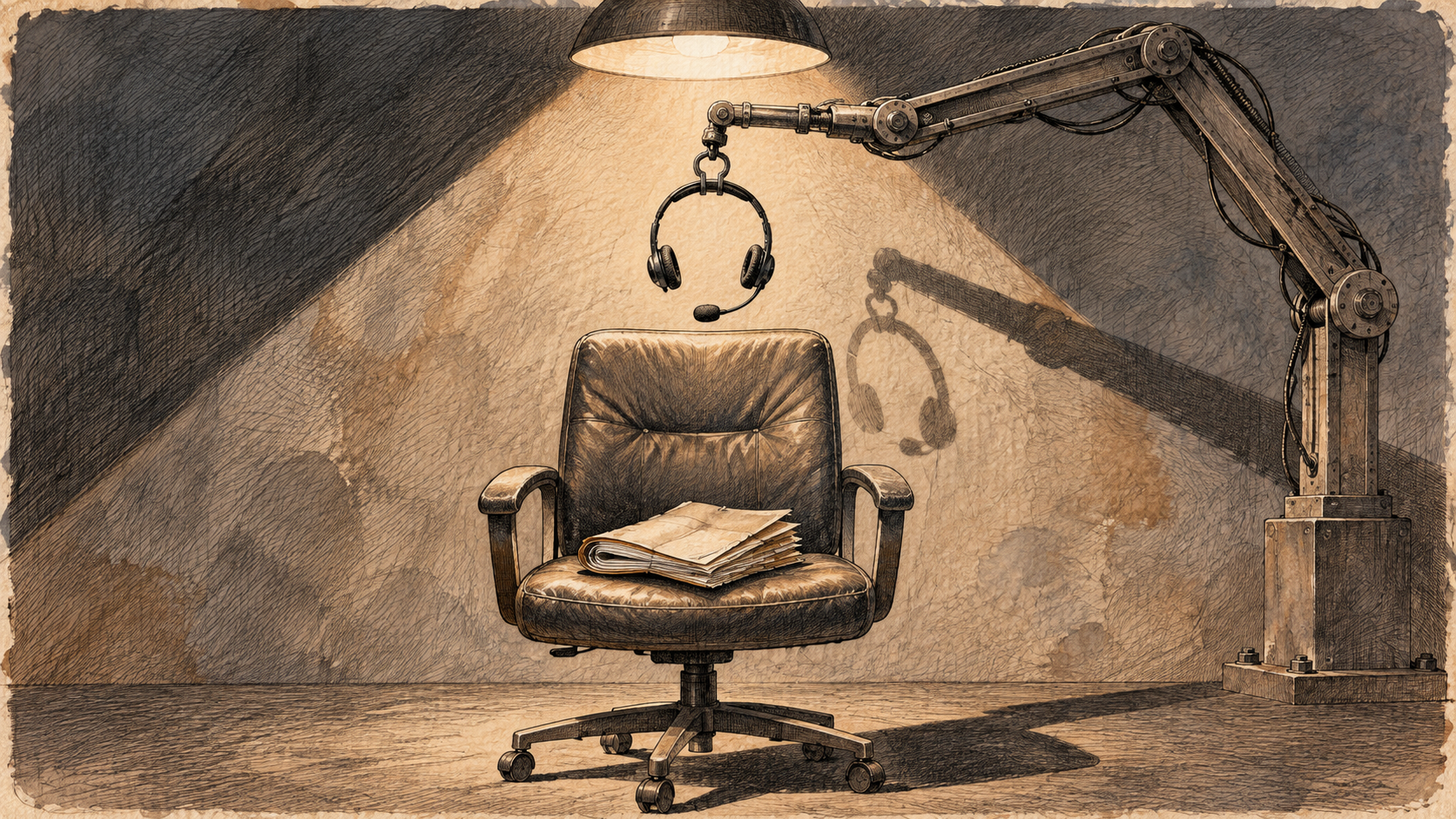
Senator Erwin Tulfo filed Senate Bill 2563 today, which would write a new article into the Philippine Labor Code covering workers fired because their employer installed artificial intelligence. Companies would have to notify the labor department six months ahead, show they tried reskilling first, and pay at least two months of salary for every year the person worked there.
"Technological progress is inevitable, but Filipino workers should not be left behind or made to bear its costs alone," Tulfo said.
This matters because of where it was filed. The Philippines does a great deal of the world's answering: the voice on the line when your card is declined, the person who processes a claim at three in the morning. That work is exactly what software now does cheaply. A law like this does not stop automation. It prices it, and makes the cost show up on the employer's books instead of a family's.
Expect two things. Other legislatures will copy this text, because it is easier to borrow than to draft. And companies will stop calling anything an AI layoff, filing the same cuts under restructuring. The United States has no rule of this kind, which means the first real rulebook for AI job losses may be written in Manila, in English, and read in Washington. Whether any of it binds depends on who controls the machines.
Nvidia's board opened an outside investigation into its CEO's relationship with an alleged Chinese spy
Jensen Huang emailed Nvidia staff today to say he had an affair, after the New York Times and the Financial Times reported that U.S. intelligence believed the woman, a businesswoman named Alice Huang, was passing information to Beijing. "I was unfaithful to my wife," he wrote. The board has opened an independent inquiry and says it has no reason to believe company secrets or national security were compromised.
Strip out the soap opera and what is left is plumbing. Alice Huang is tied to Megaspeed, a cloud company and Nvidia customer that has previously been investigated over whether it helped restricted Chinese firms get hold of American AI chips. That is the actual question: not whether anyone whispered a secret, but whether export controls work when the chips never move and buyers simply rent them from abroad.
There is a second, quieter problem. One man runs the company that makes the engines behind nearly every chatbot people type into, and he has also been doing something close to foreign policy, with access to the president. Companies survive the loss of a chief executive. Policies built around a single person's judgment do not. Congressional chairs want him in a room on November 18; earnings land the day before.
Which brings us to the man who gets to decide what the rules are, and who spent Sunday night on television saying almost nothing.
Trump told 60 Minutes AI's risks are manageable and he would 'absolutely' work with Democrats on safety
In his post-midterm interview with CBS, President Trump framed artificial intelligence as a straight contest with Beijing. "Whoever wins that race wins," he said. On the dangers: "I think that the risk is not nearly as real as it-- as they talk. And I think the risk can be managed." Asked whether he would work with Democrats on AI safety, he answered, "I would absolutely."
This was the most quoted AI sentence of the day and it is the noise. There is no bill, no agency, no deadline, no definition of a guardrail. In the same conversation he said the risk is overstated and added, "China has no guardrails, by the way." A president who believes a danger is exaggerated does not spend political capital writing rules against it.
Real constraints on this technology are being set somewhere less telegenic: in utility rate hearings where somebody decides whose bill covers a substation, in state legislatures, in courtrooms, in the fine print of government purchasing contracts. None of that makes a clip. All of it shows up in your mailbox.
The next ten days will say more than any of today's quotes
Mark two dates. Nvidia reports earnings on November 17, and its chief executive is being asked to brief lawmakers on November 18. The first tells you how much money the buildout is still making. The second tells you whether Washington is willing to put a leash on the company at the center of it.
My bets, and they are mine. The Huang inquiry ends with no finding that secrets leaked, and the real question of chips rented through foreign clouds stays unresolved. Manila's severance language gets copied into at least one other country's labor code within a year. And the first American city to demand a data center hand back its heat will do it as a condition of a permit, not out of goodwill.
The pattern of the day is simple. The loudest story was about a man's private life, the quietest was about hot water in a Danish basement, and the second one will still be true in ten years. Keep an eye on the pipes.
Arthur Down is a journalist with more than 12 years of experience writing about technology, personal finance, health and everyday consumer topics. He studied Journalism and Media Studies at the University of Sheffield, started as a reporter at a regional newspaper and has worked freelance since 2014. At N33 he writes and edits the blog's practical guides to AI tools.
How we research, source and review articles